


How Shame Affects Children — And What to Do Instead
By Adil Seemab
When I was a boy, I feared my father’s silence more than his anger.
It was not loud. It was heavy.
It made me feel smaller than I was.
Years later, as a father of twins, I saw the same look in Mansoor’s and Bazaid’s eyes.
It happened on a school evening. They had broken something—nothing important, but I reacted too quickly. I spoke in a sharp tone. Not angry. Just cutting.
And I saw it—shoulders drooping, eyes looking away. The moment was gone, but the wound had been made.
Shame is not discipline.
Shame tells a child you are wrong as a person, not you made a mistake.
Guilt says, “What you did was wrong.”
Shame says, “You are wrong.”
Children don’t forget that. They carry it quietly into adulthood.
What Shame Does to a Child
It disconnects — Instead of listening, they withdraw. They feel unsafe in your presence.
It rewires self-image — They stop seeing themselves as capable, worthy, or loved without condition.
It fuels secrecy — They hide mistakes because mistakes bring humiliation.
In Mansoor and Bazaid’s teenage years, I noticed they’d avoid telling me about poor grades or bad days. Not because I shouted. But because sometimes I used words that felt heavy. A sarcastic remark here. A disappointed sigh there. The kind of things we think are “small,” but they linger.
What to Do Instead
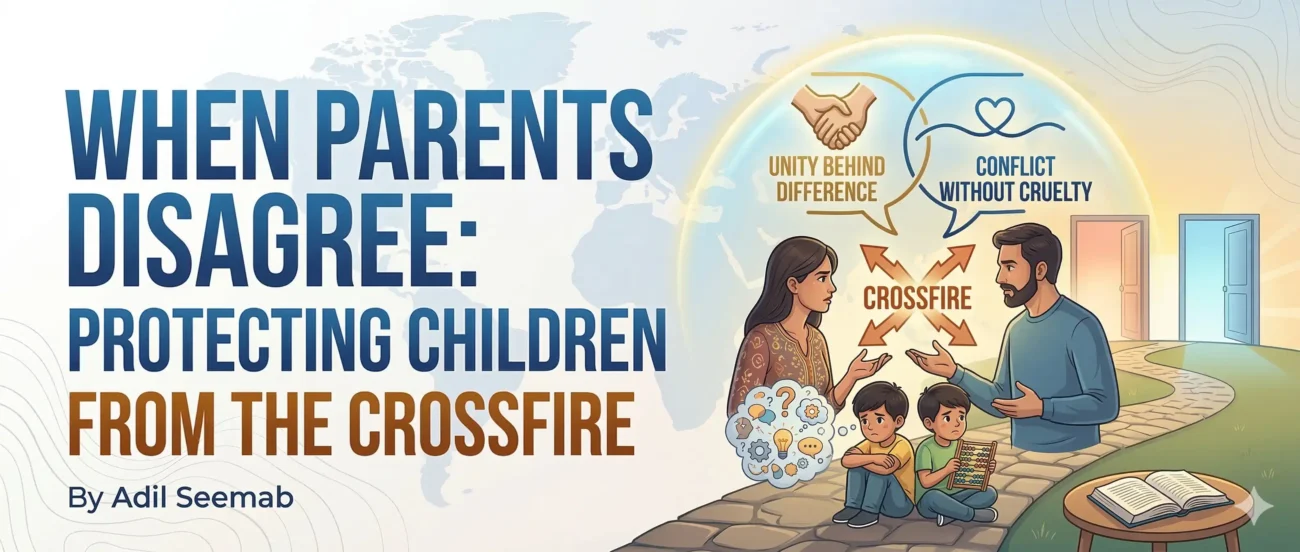
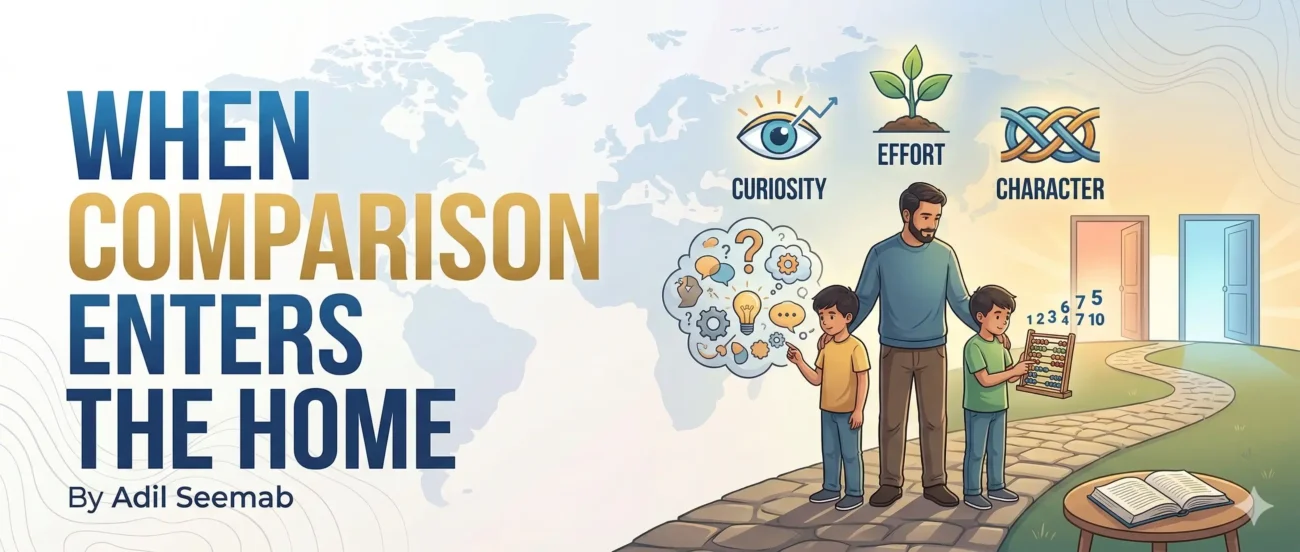
1. Separate the deed from the doer
Say, “That choice was unwise,” instead of “You’re careless.”
Critique the action, not the identity.
2. Use curiosity, not condemnation
“What happened here?” opens conversation.
“Why did you do this?” can sound like an attack.
3. Show the way forward
Kids can’t fix the past, but they can act differently next time. Focus there.
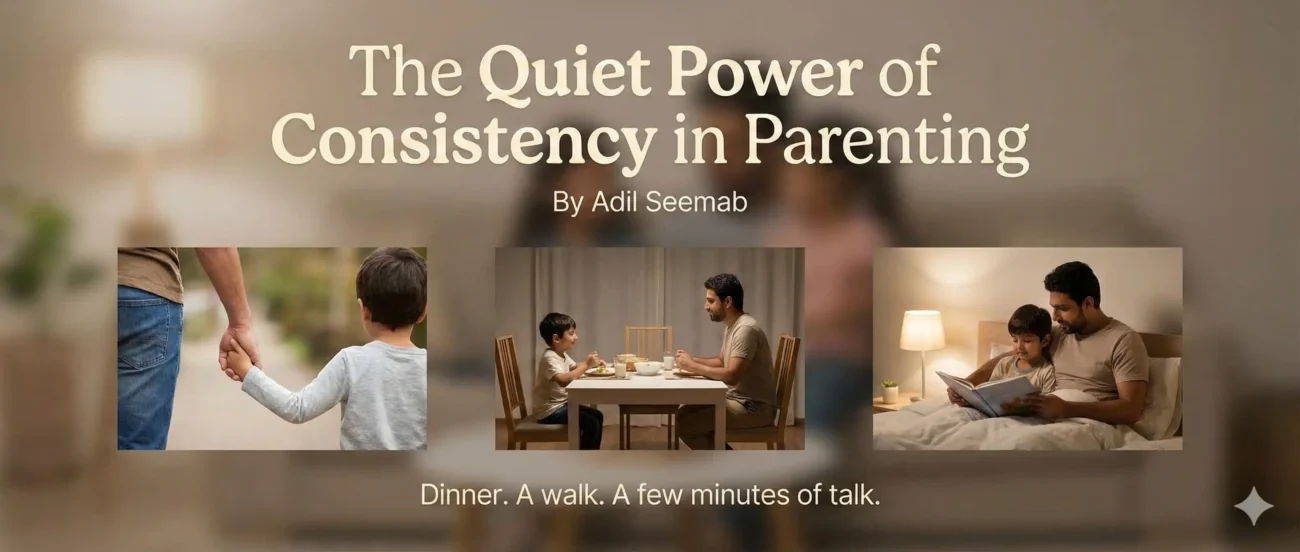
4. Repair quickly
If you shame them, even without meaning to, own it. “I shouldn’t have said it that way. I’m sorry.”
The Day I Learned My Lesson
One afternoon, after a minor quarrel about homework, I saw Mansoor quietly leave the room. I found him later sitting outside.
“Are you upset?” I asked.
He shrugged. “It’s okay. I just… feel like I’m not good enough sometimes.”
That cut deeper than any mistake he could have made.
That was the day I promised myself: no more shame as a parenting tool.
My job wasn’t to raise perfect boys.
It was to raise men who believed in themselves—even on their worst days.
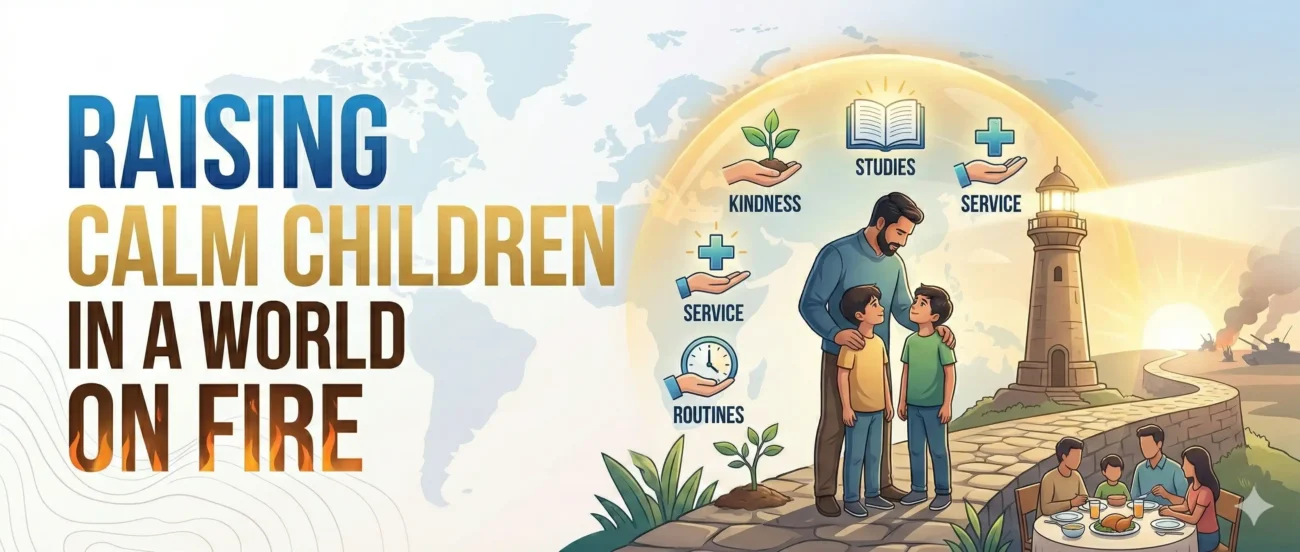
Children grow in the soil we prepare. Shame hardens the ground. Respect and understanding keep it soft. If you want them to flourish, you must protect their roots from the frost of humiliation.



Alright folks, listen up! Been kickin’ around on xsmb68 lately and gotta say, the platform is pretty slick. Easy to navigate, decent selection of games. I’d recommend giving xsmb68 a shot if you’re looking for a new spot to play.
Downloading the 747 live apk now! Hope it’s not full of too many glitches. Will let you guys know if it’s worth the space on your phone! More info here: 747 live apk
Nesine Iddaa’ya bayılıyorum! Her zaman güncel oranlar ve çeşitli bahis seçenekleri sunuyor. Bahis yapmak burada çok kolay ve eğlenceli. Keşfetmek için tıkla: nesine iddaa
Canlı maç sonuçlarını Nesine’den takip etmek gibisi yok! Anında güncelleniyor ve hiçbir golü kaçırmıyorum. Kesinlikle tavsiye ederim! Daha fazlası için: nesine canlı maç sonuçları