


The Silent Battles at Home: Understanding Sibling Rivalry
By Adil Seemab
When Mansoor and Bazaid were small, their fights seemed harmless. One wanted the red toy car, the other wanted the same. Sometimes it was about who sat closer to their mother, sometimes about who got the last piece of mango. At first, I thought it was ordinary noise in a busy home. Later, I realized it was more than that. It was rivalry.
Sibling rivalry has lived in every home. It is born from love, but also from fear—fear of losing attention, fear of being less. When parents are tired, busy, or distracted, children fight louder, as if their quarrel is the only way to be noticed.
Causes of Sibling Rivalry
Competition for love: Children want to be sure they are seen. If they feel one is favored, even slightly, jealousy takes root.
Different temperaments: One child is loud, the other quiet. One excels in studies, the other in sports. Differences often sharpen comparisons.
Parental expectations: When a parent holds up one child as the model, the other feels smaller. The shadow of comparison is long.
Developmental stages: A teenager will not think like an eight-year-old. Their needs clash. Their ways of seeking attention collide.
How Rivalry Shows Itself
In our home, it showed in small rebellions. Mansoor would sulk when I praised Bazaid’s grades. Bazaid would tease when Mansoor won a race. Sometimes it came as shouting, sometimes as silence. At its heart, it was the same: “See me. Love me. Choose me.”
How to Deal with Rivalry
Step back before stepping in: Every fight does not need a referee. Children learn to negotiate if we give them space.
Name the feelings: Instead of scolding, I learned to say, “You are angry because you wanted that toy first.” Naming feelings calms storms.
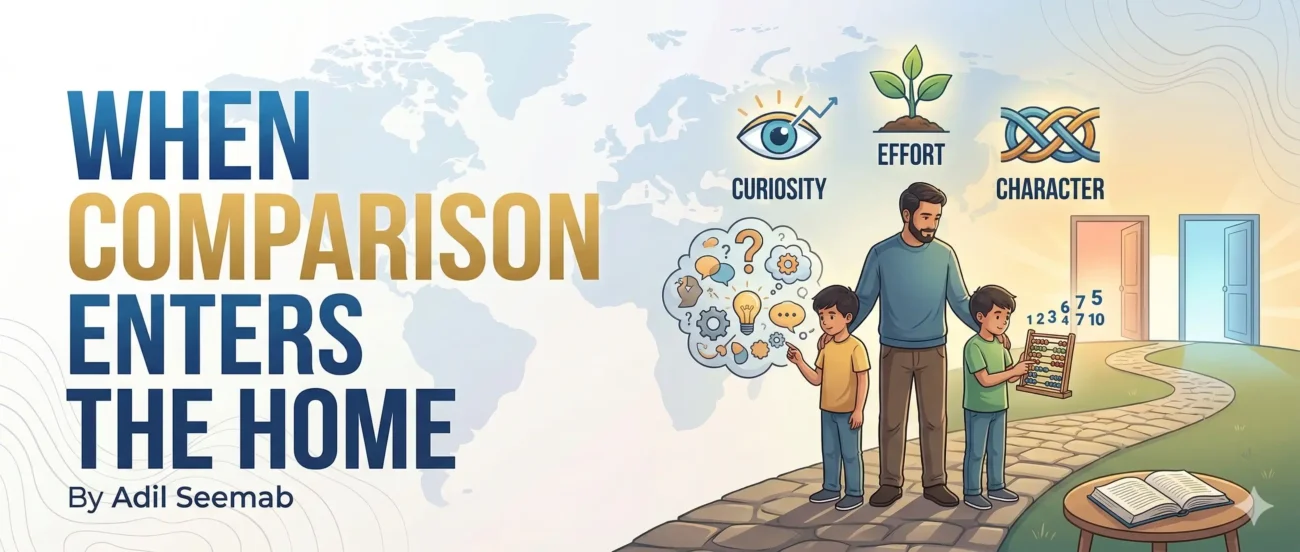
Avoid comparisons: Each child is their own story. When we compare, we cut their roots. When we celebrate each for who they are, rivalry loses power.
Spend time one-on-one: Even ten minutes alone with one child can heal the wound of being “the other.”
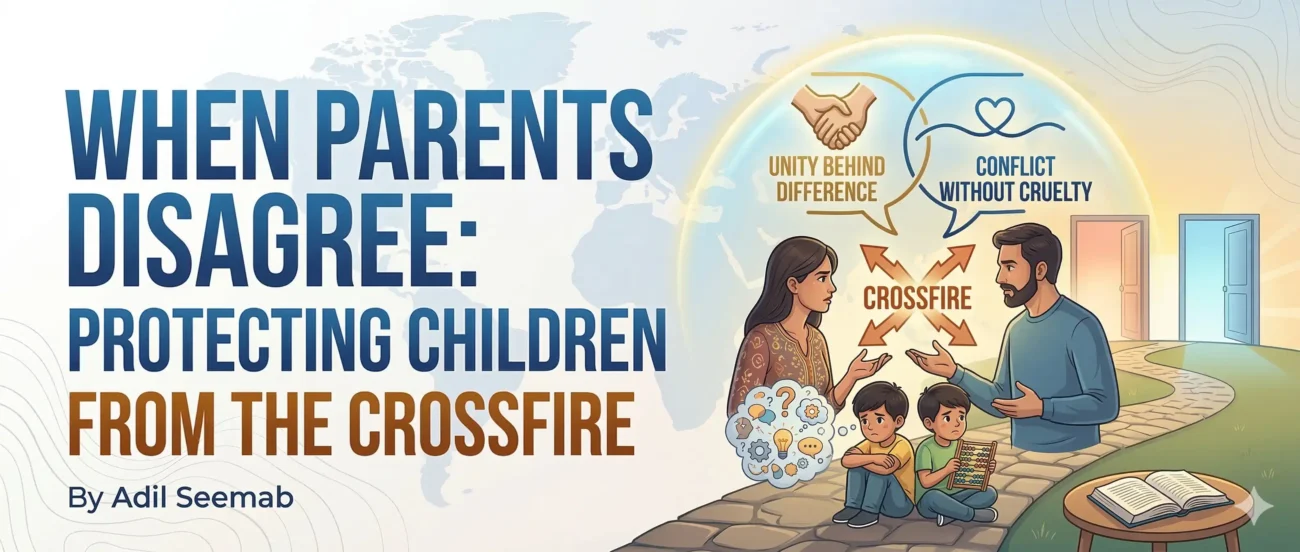
Model respect: When they see parents disagree without insults, they learn that conflict does not need to turn into war.
A Hard but Beautiful Lesson
Once, after a fierce quarrel, I sat both boys down. I told them, “You are not enemies. You are teammates. One day, your parents will be gone. What will remain is you two, standing side by side.” They grew quiet. The silence was heavy, but in it was the seed of truth.
Sibling rivalry is not a disease to be cured. It is a fire to be managed, a lesson to be lived. When guided with patience, it can even teach children compassion, resilience, and forgiveness.
At the end of the day, rivalry is a sign of deep connection. They fight because they care. And it is our job, as parents, to turn those fights into bridges, not walls.



Downloaded the BK999gameapk. Installation was easy. Game seems alright so far. Gonna try my luck and see what’s what! Download it from bk999gameapk.
Gave 666zk a try and I wasn’t disappointed! The games were pretty entertaining, and I liked the overall design. Worth a look! Check it out at 666zk.
I’ve been having a blast at Brabetcassino! The site’s easy to use and the selection of games is top-notch. Give it a try at brabetcassino – you won’t regret it.
RBD777 is a solid choice. I like their selection of games and the overall experience has been good. Visit rbd777 and see what you think!
Pin Up Casino? Oh man, talk about a blast from the past with a modern twist. Love the retro vibe and they actually have some cool bonuses going on. I’ve hit a few decent wins there lately. Definitely worth checking out if you’re into that pin-up aesthetic. Check them out: pinupcassino
97Cassino just feels solid, you know. The bonuses aren’t just flash in the pan, they actually give you a fighting chance. I’ve had some good runs using them. Register here: 97cassino
Alright, 223bet is where it’s at! Seriously, I’ve been kicking back on this site for a while now and it’s a good time. Easy to use and plenty to keep you entertained. Check it out at 223bet.
Okay, Big Bunny Casino. Seems legit. The promotions are pretty sweet and the games are fun. I spent an afternoon playing and didn’t regret a thing. Look for more at : bigbunnycasino
Lounge7777 is a nice spot to unwind and try your luck. I found the interface easy to navigate, and I actually won a little something! Definitely worth checking out if you want a relaxing experience. Give it a whirl yourself at : lounge7777
mxlobocasino! Yeah, I played there a bit last week. Pretty standard casino setup, but I had a good time. Nothing groundbreaking, but solid and reliable. Go on, try yourself at: mxlobocasino