


The Gig Economy and Freelance Entrepreneurs: Redefining Work in the 21st Century
The way people work is changing quickly. In the past, most people held full-time jobs with one company, working a standard 9-to-5 schedule in an office or factory. Today, the gig economy is revolutionizing the way people earn a living. At the same time, freelance entrepreneurs are taking control of their careers like never before. But what does all this mean, and why should you care? Go through this blog to find the answer to this question.
The gig economy is a labor market where individuals take on short-term contracts or freelance work instead of traditional, long-term, permanent jobs. Think of it as picking up tasks whenever you want, rather than being tied to one employer. These jobs are flexible. You can work whenever you want, wherever you want, and as much or as little as you prefer. It’s like being your own boss, but the work comes from various sources, often through apps or websites.
Freelance entrepreneurs are individuals who take the gig economy forward. They don’t just do one-time tasks; they build their own small businesses by offering their skills to multiple clients. For example, a graphic designer who creates logos for different companies, a writer who produces blog posts or social media content for businesses, or a tutor who teaches students online through platforms like Zoom.
Unlike gig workers who perform quick tasks, freelance entrepreneurs often work on larger projects and develop long-term relationships with clients. They market themselves, set their own rates, and manage their time. In short, they’re running their own show.
Why Is the Gig Economy Growing?
The gig economy is growing rapidly for several key reasons. First, technology makes it easy. Smartphones and apps fasten workers to customers. Whether it’s a ride, a delivery, or a freelance project, technology makes finding work and getting paid simple. Second, people want flexibility. Many prefer not to be tied to a 9-to-5 job. They want to work when it suits them—whether that’s early mornings, late nights, or just a few hours a week. The gig economy offers that freedom.
Third, companies save money. Businesses find it less costly to hire gig workers or freelancers because they don’t have to cover costs like health insurance, office space, or full-time salaries. It’s less expensive for them, and it creates more opportunities for workers. Fourth, side hustles are popular. Many use gigs to earn extra cash beyond their regular jobs. For some, these side gigs develop into full-time businesses.
The gig economy and freelance work have great benefits. You can work from home, a coffee shop, or even while traveling. You choose your hours and projects. If you get bored, gigs let you try different things easily. One day, you might write a blog; the next, you could design a website. Freelance entrepreneurs love being in control. You decide what work to take, how much to charge, and how to grow your business. You are your own boss. Whether you’re saving for a vacation or paying off debt, gigs can help you earn more money on your terms.
The Challenges Faced
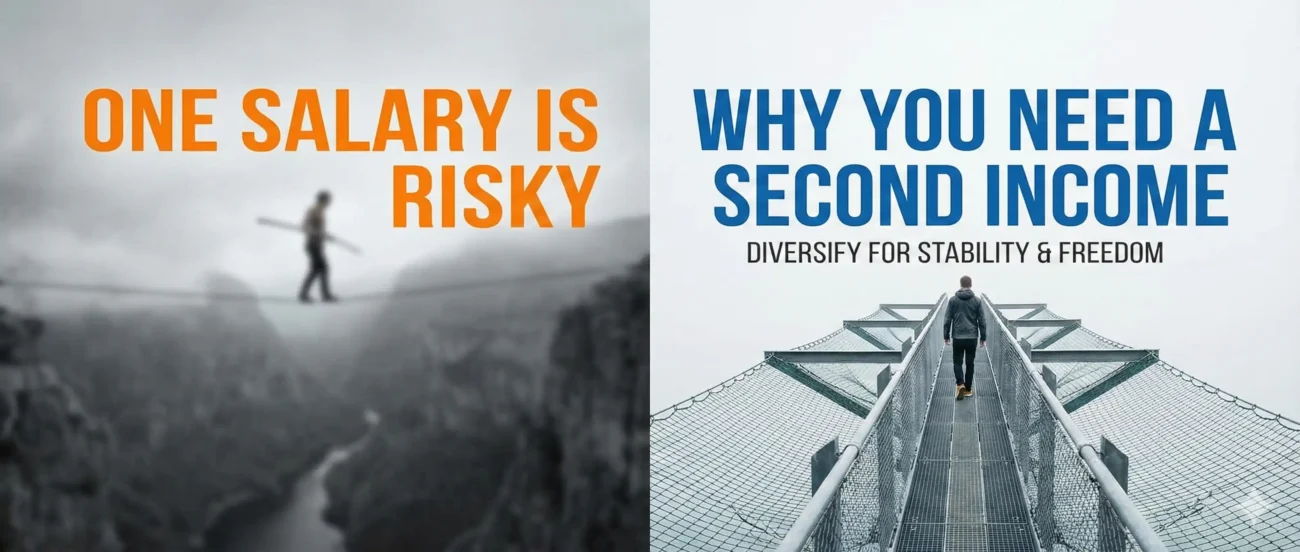
It’s not all perfect, though. There are some downsides to consider. Gigs can come and go. One month, you might have plenty of work, and the next, it could dry up. You have no job security. Unlike traditional jobs, gig work usually doesn’t include health insurance, paid vacation, or retirement plans. As a freelancer, you have to handle everything—finding clients, sending invoices, and paying taxes. It can be overwhelming. Your earnings might fluctuate, making budgeting difficult.
Despite challenges, freelance entrepreneurs are demonstrating that you don’t need a traditional job to succeed. They are proving that with skills, hard work, and the right tools, anyone can build a career on their own terms. The gig economy values skills like writing, coding, designing, and teaching. People are acquiring these skills to stand out and find work. Thanks to the internet, you can work from home. You don’t need a big budget or a fancy degree to start freelancing. Anyone with a skill and a laptop can begin.
How to Get Started?
If you’re thinking about jumping into the gig economy or becoming a freelance entrepreneur, here are a few tips:
- Find Your Skill: What are you good at? Writing, drawing, teaching, or even organizing? There’s probably a gig for it.
- Start Small: Try a platform like Fiverr, Upwork, or TaskRabbit to get your first gigs and build confidence.
- Build a Reputation: Do great work, and ask clients for reviews. Good feedback helps you get more clients.
- Stay Organized: Keep track of your gigs, earnings, and taxes. Apps like Google Sheets can help.
- Keep Learning: The more skills you have, the more opportunities you’ll find. Take online courses to stay competitive.
The gig economy and freelance entrepreneurs are here to stay. More people are choosing this way of working because it better fits their lives. Meanwhile, businesses rely on gig workers to remain flexible and save costs. In the 21st century, work isn’t just about going to an office; it’s about creating your own path, using your skills, and building a career that works for you.
So, whether you’re driving for a ride-sharing app, delivering groceries, or building a freelance business, you are part of a significant change in how the world operates. The gig economy is giving everyone a chance to redefine work on their own terms. Are you ready to give it a try?



Jllodicom, sounds kinda unique. What’s on offer? Gotta check it out. Always looking for something new. Take a look here jllodicom
MB666bet. Never placed any bets here. Is it legit? Good promos or what? Give me some deets if you know anything! mb666bet
Yo, been wanting to get the Bet188 app. Found a link here that looks legit, hoping it works smoothly. Quick heads up, you can find the download at tải bet188.
Yo, what’s up? Just downloaded 98winapp and digging the mobile experience. Pretty slick design and loading times are quick. Makes betting on the go a breeze. Definitely recommend giving it a download if you’re always on the move. Get the app here 98winapp.