


*How to Talk to Children About War, Injustice, and Peace*
By Adil Seemab
One evening, Mansoor asked me, “Why do people fight wars if everyone gets hurt?”
Bazaid followed, “If we all want peace, why don’t we just stop?”
The questions of children are arrows. They pierce. They leave no place to hide.
As parents, we often believe we must have every answer. But when the world burns on the news, and when injustice plays out in front of their eyes, the truth is—answers are never simple. What matters is not the perfect explanation. What matters is the way we sit beside them and search for meaning together.
*1. Tell the truth, simply*
Children know when we lie. They feel it. Speak in words that fit their age but do not twist reality.
“Wars happen when people cannot solve problems with words.”
“Injustice is when someone is treated unfairly.”
Peace, then, is not an abstract dream. It is the courage to treat others as human beings, no matter what.
*2. Share stories, not lectures*
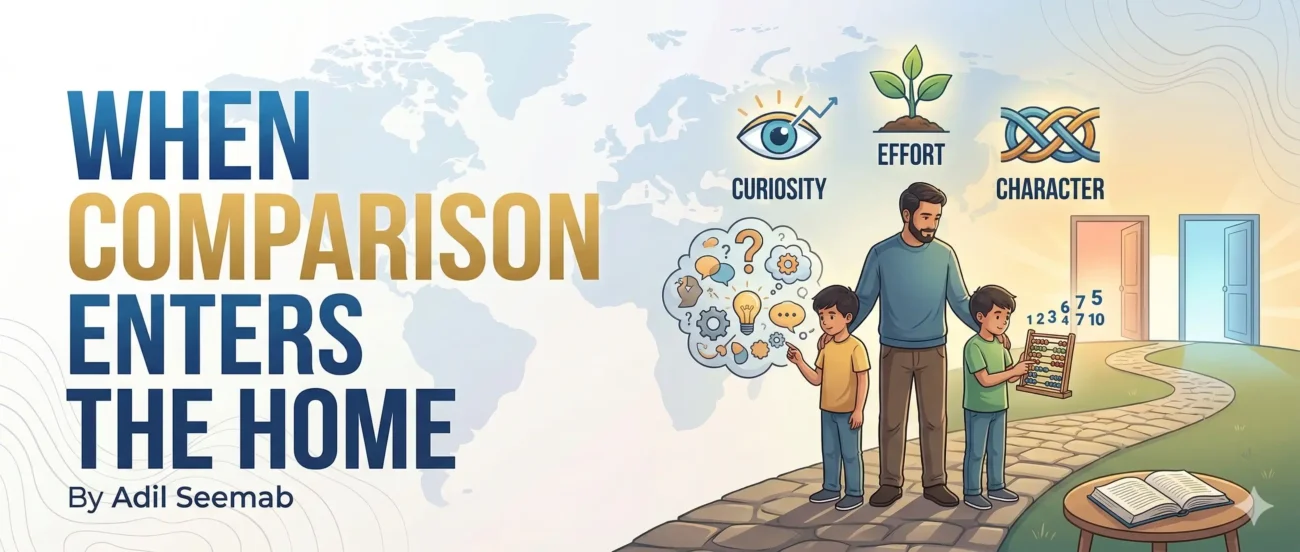
When Mansoor and Bazaid were small, they fought over toys. Their battles were real to them. Their mother and I used those moments to speak of nations. We told them: just as brothers must learn to share, so must countries. Stories bring truth to a child’s heart better than sermons ever can.
*3. Listen before speaking*
Children are not asking for politics. They are asking for safety. Sometimes they want to know if the world will still be here tomorrow. Sometimes they want to know if they are safe in your arms. Answer that first. Always.
*4. Teach peace by living it*
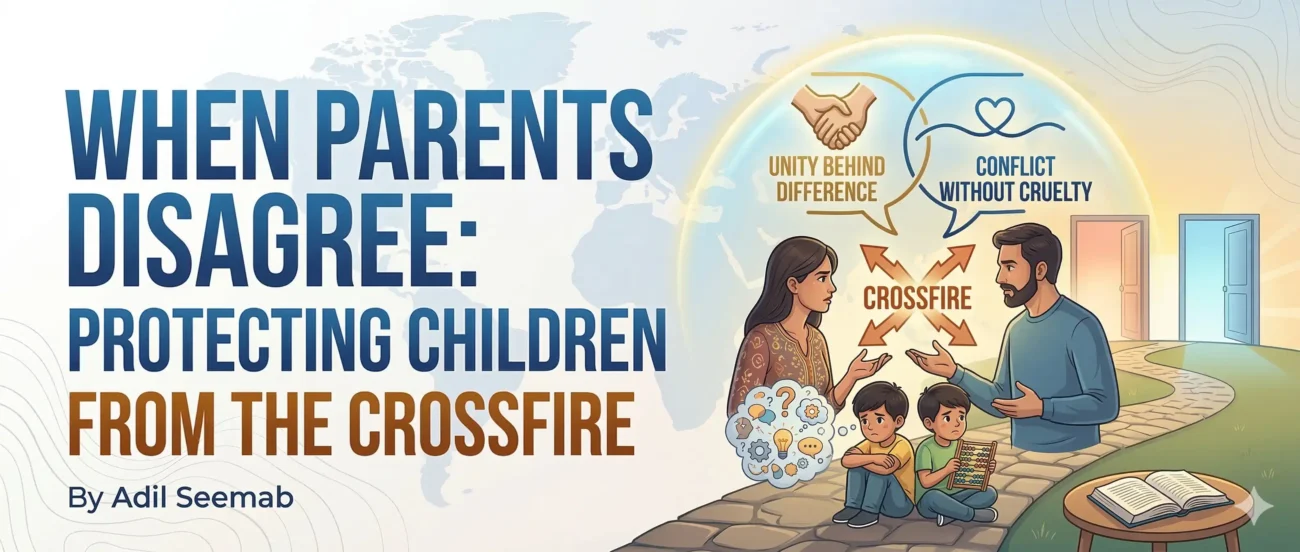
No child learns peace from words alone. They learn when they see us treat the shopkeeper with respect. They learn when we argue without cruelty. They learn when we admit our mistakes and make them right. If we shame, they learn shame. If we respect, they learn respect.
*5. Give hope*
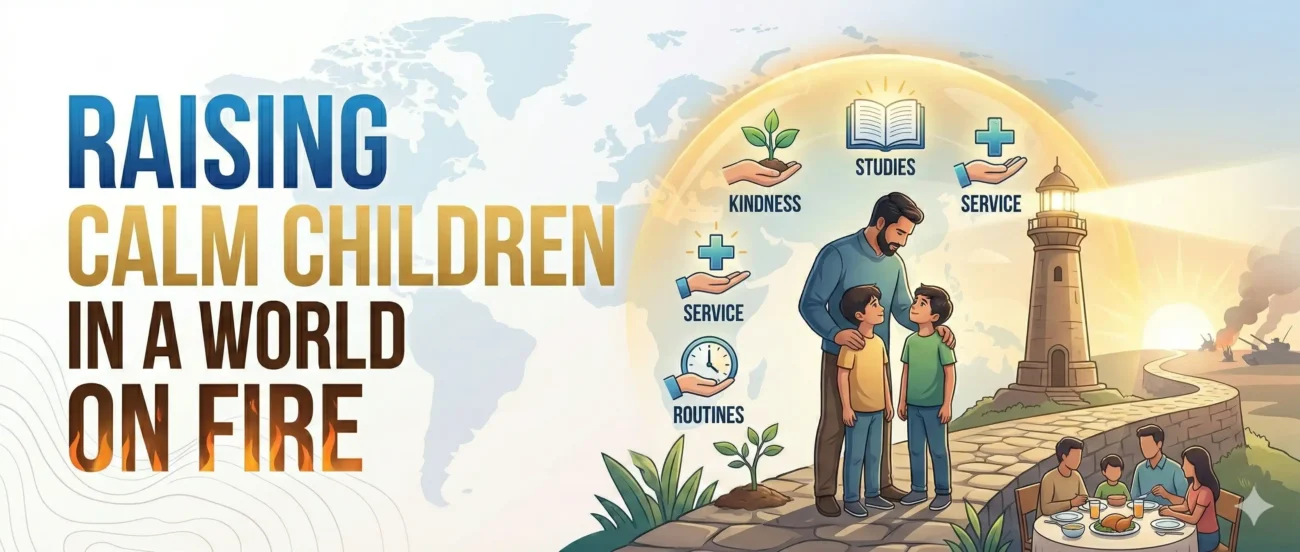
War and injustice are heavy for adults, heavier for children. But we can hand them light. Tell them that humans have always longed for peace, and many give their lives to build it. Teach them to believe their kindness matters—that every smile, every act of fairness, every refusal to hate is a small stone placed on the road to peace.
When children ask about war and injustice, they are not only asking about the world. They are asking about us. Who are we? What do we stand for?
I remember Sajjad, my elder brother, when I was seven. I asked him our nationality. He said, “Homo sapiens.” I asked our religion. He said, “Humanity.” Those words shaped me more than any textbook or sermon.
Our children deserve the same gift: the truth, spoken with courage, and the vision that peace is possible—because it begins at home.


keonhacaifb88, FB88 odds comparison? Anyone seen any good value bets on this site? Share the wealth! keonhacaifb88
Been looking for a reliable betting site, stumbled upon bet188365. Seems like a decent option with a good range of sports. Might be worth checking out if you’re looking to place some bets. bet188365
Alright folks, if you’re looking for a new spot, betpawalogin might be up your alley. I had a decent experience. Give it a shot: betpawalogin
Been messing around on lounge7777. It’s okay, better than staring at the wall. Here’s the lowdown: lounge7777