

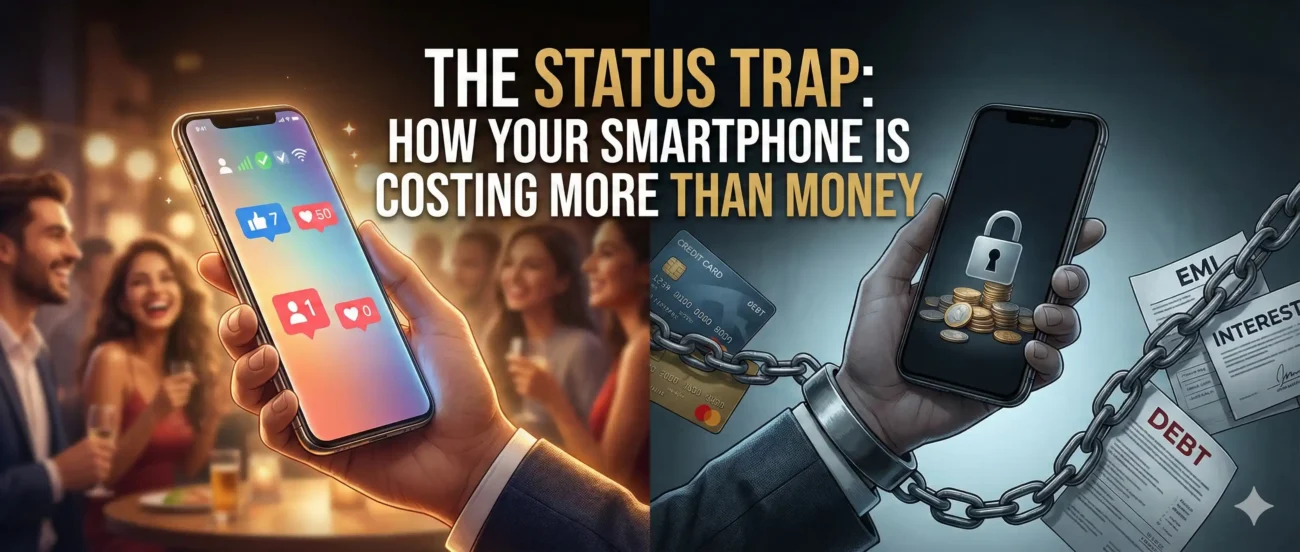
The Status Trap: How Your Smartphone Is Costing More Than Money
You see it everywhere: the newest smartphone, sleek and shiny, in the hands of friends, colleagues, and influencers. The ads promise it will make your life smoother, your photos better, and your status higher. And the payment option? “Just a small monthly fee.” It seems so easy. But beneath that tempting surface lies a cycle of lifestyle inflation quietly draining wallets and well-being.
This story is repeating in almost every middle-class home in Pakistan right now, and nobody talks about the real price we are paying.
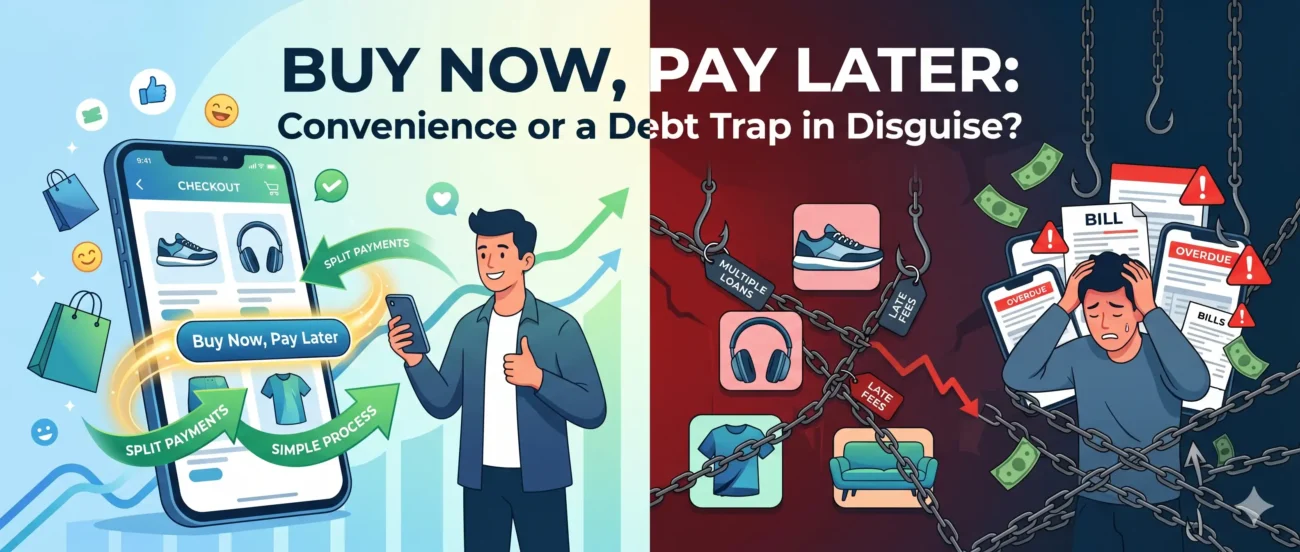
Installment Culture
We’ve moved from saving up for big purchases to simply tapping “Buy Now, Pay Later.” This is the heart of installment culture.The shop says: “Easy instalments, just 12 months.” What they don’t say out loud is that you’re paying 20–30% more than the cash price.
Let’s do some simple math. A phone costs Rs. 120,000 cash. On 12-month installments: Rs. 11,500 per month × 12 = Rs. 138,000. You just paid an extra Rs. 18,000 for the “convenience” of not paying upfront. It seems manageable alongside your other subscriptions, but we forget the hidden costs:
- Interest: Many plans charge interest, making you pay far more than the sticker price.
- The Opportunity Cost: That Rs. 11,500/month could be an investment, an emergency fund contribution, or a debt payment.
- The Mental Load: It’s one more bill to track, one more financial commitment that ties up your future income.
You end up paying for a phone long after its “newness” has faded. Slowly and quietly, your salary is being eaten by equated monthly instalments (EMI) before it even reaches your bank account.
Peer Pressure & Social Image
We all know the feeling. Your cousin shows off the new iPhone at the family dinner. Your office colleague has the latest Samsung foldable. Your WhatsApp status is full of people unboxing gadgets.Suddenly, your brain whispers: “If I don’t upgrade, people will think I’m struggling.” Why do we feel this urgent need to upgrade? Often, it’s not about a broken phone. It’s about status pressure.
Social media and our immediate circles create a powerful narrative: “To be successful, seen as modern, or simply to fit in, you must have the latest.” We confuse the tool (a communication device) with the symbol (perceived success). This pressure turns a want into a desperate “need” in our minds, pushing us to make financial choices that don’t align with our real goals.
Ask yourself honestly: Do I NEED a phone that costs two months’ salary? A Rs. 25,000–35,000 phone in 2026 can do 95% of what a Rs. 150,000 phone can do: make calls, use WhatsApp, watch YouTube, use banking apps, and take decent photos.
The Emotional Cost Behind the Numbers
Lifestyle inflation brings: anxiety before payday, no emergency fund, dependence on loans and relatives, and stress within families.
Many Pakistani households appear comfortable on the outside but are financially fragile within. True stability doesn’t come from possessions—it comes from control.
Final Thought
This week, do just one thing: Delay one non-essential purchase.
See an ad for new earbuds? Close it. A friend showing off new shoes? Like the post and move on. Feeling the itch to upgrade your phone? Wait 7 days. After 7 days, the urge almost disappears. You just saved yourself thousands of rupees and months of EMI stress.
You don’t have to become a saint who never buys anything new. Just stop letting ads, friends, and fear of missing out (FOMO) dictate where your money goes. Your future self will thank you when you finally have money in the bank instead of more gadgets in the drawer.
Real respect doesn’t come from the phone you carry or the car you drive. It comes from responsibility, foresight, and balance. Buy what you can afford. Save before you show. And remember: financial dignity is the best status symbol.
What’s one thing you’re going to delay buying this week? Drop it in the comments — let’s inspire each other to be smarter with our money.



AWESOME
But now a days people will respect you more if you have luxury car expensive phone and money 🙃
nice
But now a days people will respect you more if you have luxury car expensive phone and money 🙃
F8bet80 is growing on me. Registration was easy and there is good promotion deals to choose. Check it: f8bet80
Gave Bet69167 a try, pretty solid performance so far. Good selections and smooth payouts, What you waiting for? Give it a Go!: bet69167
AP777slotlogin is the real deal! Get yourself logged in and get going its well worth it!: ap777slotlogin
7cx, it looks pretty well-thought-out, UI is friendly, and pages load fast. Give it a try if you found it via search: 7cx
Lucky44game? Hope it lives up to the name! Need some luck? This might be your spot. Go try your luck at lucky44game. We see what you do!
Hey guys, just checked out td777gameapk. Seems like a decent spot to download some game APKs. Worth a look if you’re into that kind of thing! Check it out here: td777gameapk
900betluckytiger… a bit of a mouthful, but the site itself is pretty good. Lucky Tiger seems to be looking after me! I spent some time on slots and walked away with a profit. Give it a crack and maybe the tiger will be on your side too! 900betluckytiger
1993betvip, ay? Feels a bit retro, but their game selection is modern and fun. I signed up for their VIP program and it’s got some decent perks. Plus, their customer support is quick to help if you’re stuck. worth a look! 1993betvip
Okay, 8833betcasino. This place has got a nice clean feel. Games load quickly, the bonuses are tempting, and I’ve managed a few small wins. So far, no complaints here. Good luck to all! 8833betcasino
Alright, 1EECOM is actually pretty good. Been trying a few different games and I think they’re okay. Check them out yourself, find them here: 1eecom.
JL55casino is my go-to when I want a solid selection of games. They’ve got all the classics and some cool new ones too. I’m telling you, it’s worth a look jl55casino.
Supermegawin1! The name basically tells you what they’re aiming for, right? I gave it a shot and had a pretty fun time. Best of luck supermegawin1!