


From Pocket Money to Profits: Basics of Student Entrepreneurship
A simple guide for young beginners
If you’re a student browsing your phone, dreaming of turning that small pocket money into something bigger, you’re in the right place. I may not be a fancy business expert, but I’m someone who has read and seen friends hustle through college with side gigs that grew into real businesses. Student entrepreneurship isn’t about building a huge company overnight — it’s about noticing opportunities, taking small steps to earn, and gradually transforming simple ideas into real profits.
Entrepreneurship isn’t just about starting a big business. It’s about observing your surroundings, spotting a problem or need, and offering a solution people are willing to pay for. It can be anything—selling books, offering tutoring, designing posters or logos, selling homemade food, running a small online store, growing a social media page, or doing paid promotions. If your idea helps someone or makes their life easier in any way, it can become a small business.
You don’t need a large investment to get started. Begin with what you already have: your skills, your time, your pocket money, your phone or laptop, and your social media accounts. Even if you earn Rs. 500 or Rs. 1,000 initially, it’s a great start because you’re learning how business works. Every successful entrepreneur started small.
Your first business idea should be simple and easy to run alongside your studies. Ask yourself: what am I good at? What do my friends usually ask for help with? What can I sell or offer without needing a lot of money? If you excel at English, offer proofreading services. If you enjoy baking, sell small homemade items. If you’re creative, design birthday cards or digital posters. If you’re skilled at social media, manage pages for small businesses.
Ensure your best idea matches your strengths. Before spending money, test it first. Tell your friends about it. Post on your WhatsApp status. Share it in your class group. Offer your service to a few customers at a discounted rate. If people respond positively, keep going. If not, refine the idea. Testing helps you avoid wasting time and money.
Today, technology has made business easier. As a student, you can use free tools to grow: Canva for designing posters, logos, and visuals; Facebook and Instagram to promote your work; WhatsApp Business to manage customers easily; and YouTube or TikTok to build an audience. You don’t need to rent a shop. Your phone is your storefront.
The biggest mistake young entrepreneurs make is spending all the money they earn. Instead, follow this simple rule: Earn, Save, and Reinvest. For example, if you earn Rs. 1,000, save some of it and use the rest to grow your small business. This habit gradually turns pocket money into profits.
Business is a learning journey. You will face challenges—late payments, difficult customers, and failures. Don’t feel discouraged. Every mistake teaches something valuable. Remember: you are not just earning money; you are building skills for life. Communication, problem-solving, time management, discipline, and creativity—these skills will help you in your job, career, and future business.
Your studies matter, so your business should fit your schedule. The best student business is small, manageable, flexible, and stress-free. If exams are approaching, pause the business. When you have free time, work more. Entrepreneurship should support your life, not cause extra pressure.
When you’re new, your first few customers will shape your reputation. Be honest, deliver good quality, and communicate clearly. People will naturally recommend you to others. In business, trust is more powerful than advertising.
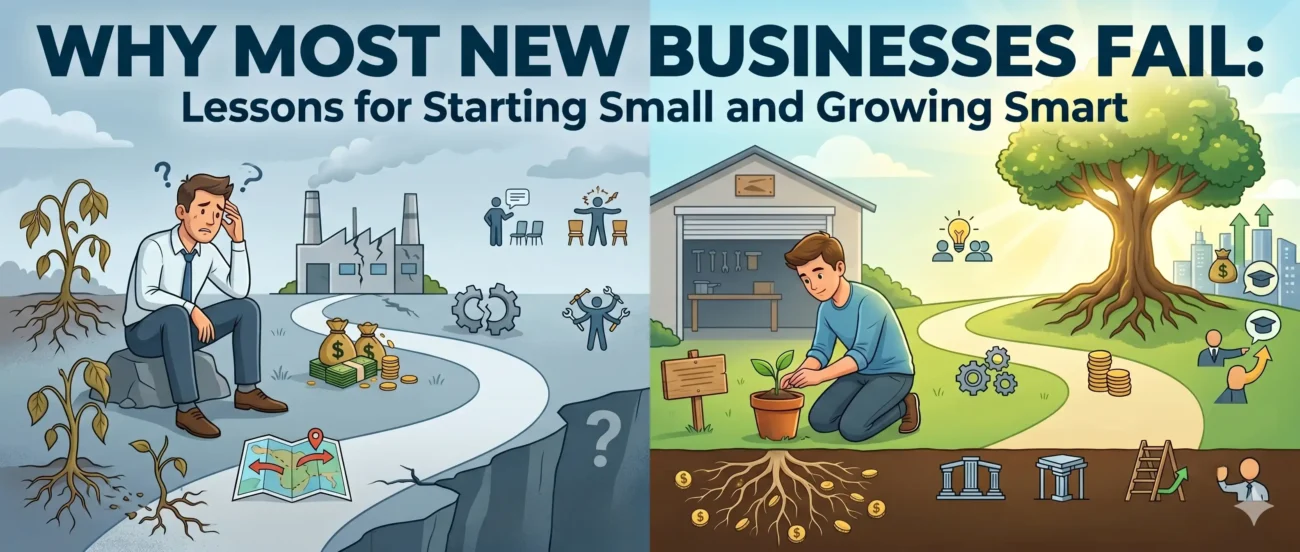
You might start with Rs. 200 and eventually earn Rs. 20,000. Or your small idea could grow into a real brand in the future. Many well-known companies began in a room, a dorm, or a garage. The key is that you get started.
Student entrepreneurship isn’t about age, money, or background. It’s about mindset—your willingness to explore opportunities and learn. Turning pocket money into profits isn’t an overnight fairy tale, but it’s entirely possible with grit and smarts. As a student, you have energy, creativity, and no major responsibilities holding you back. So, what’s your idea? Grab it, test it, and who knows – you might be the next bigwig. If you have questions or stories, drop them in the comments.





Best
Really important and practical solutions
Really Nice work
Hoy777 es una opción más, no está mal. Hay bastantes juegos para elegir y los pagos son puntuales. Dale una probadita a hoy777.
Hey, checked out 777adgame – not bad! Found some cool games, nothing too crazy, but good for a quick play. Worth a peek for sure. Check it out: 777adgame
500jllogin, the login process is fast. Got right in and started playing in no time. Give it a shot at 500jllogin.
Yo! I’ve downloaded the shahspingameapk and I’m kinda hooked! Easy to install, and the gameplay is decent. Here’s where I got it: shahspingameapk