

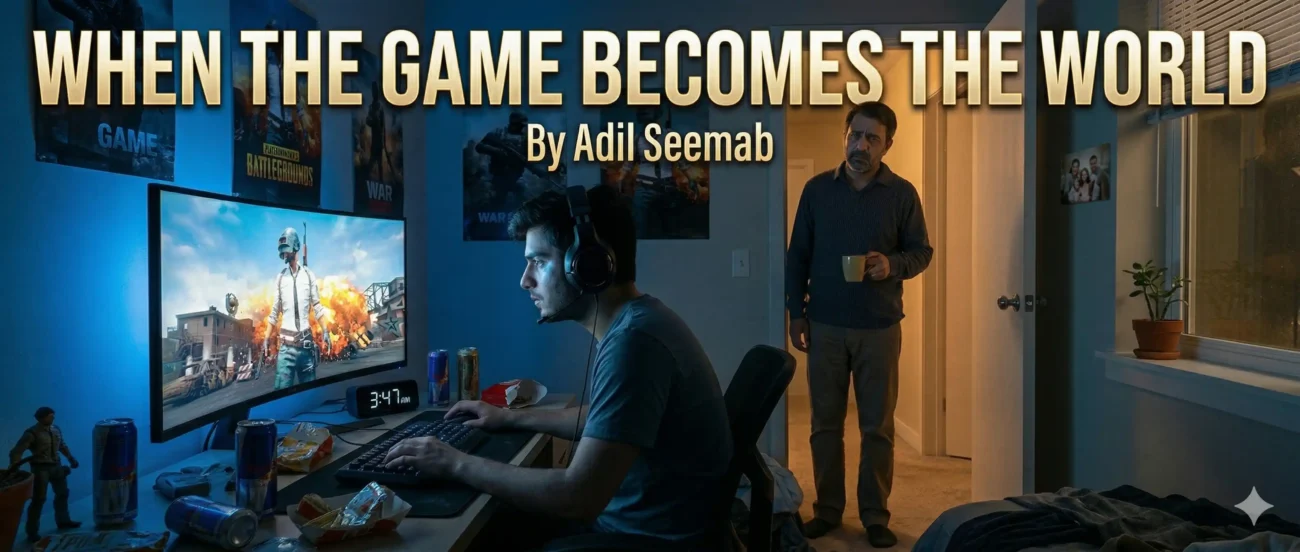
When the Game Becomes the World
By Adil Seemab
A friend came to me.
His son, in his twenties, lived inside a screen.
Days blurred into nights.
Meals were late.
Sleep was broken.
Responsibilities waited outside the door.
The game was PUBG.
The boy was not bad.
He was gone.
What we saw was obsession.
What we missed was the reason.
Addiction is loud.
The wound beneath it is quiet.
The Symptom and the Root
No young adult chooses emptiness.
He chooses relief.
Games offer clear goals.
Quick rewards.
A place to win when life feels like loss.
If a young man feels stuck,
uncertain,
unseen,
or ashamed of falling behind—
the screen becomes a kinder world.
In the game, effort pays.
In life, it feels delayed.
So he stays where effort is rewarded.
This is not only about gaming.
It is about escape.
What Not to Do
Most parents react with force.
They shout.
They threaten.
They cut the internet.
They compare him to others.
The result is the same.
He retreats deeper.
Control can limit access.
It cannot restore purpose.
The Hard Question
Instead of asking,
“How do we stop the game?”
We must ask,
“What is he avoiding?”
Failure?
Confusion?
Loneliness?
Lack of direction?
Until we see this clearly,
we fight shadows.
A Different Approach
I told my friend to begin not with rules,
but with relationship.
Sit with him.
Not as a judge.
As a witness.
No lectures.
No immediate solutions.
Just one question:
“What is going on in your life right now?”
And then wait.
Silence is not empty.
It is where truth gathers courage.
Rebuilding from the Ground
Change will not come in one day.
It must be built.
1. Restore Connection
Eat one meal together.
No screens.
No criticism.
Just presence.
A young adult returns to life
when he feels life wants him back.
2. Set Gentle Structure
Not bans.*
Boundaries.
Agree on hours.
Sleep time.
Shared responsibilities.
Not imposed.
Negotiated.
Ownership matters.
3 . Replace, Don’t Remove
You cannot take away a world
without offering another.
Introduce movement.
Work.
Skill-building.
Small tasks that give real-world reward.
Even simple wins matter.
4. Rebuild Competence
A boy lost in games
often feels incompetent outside them.
Start small.
One task completed.
One responsibility owned.
One success acknowledged.
Confidence grows slowly.
But it grows.
5 . Seek Support if Needed
Sometimes the roots run deep.
Anxiety.
Depression.
Fear of failure.
Professional help is not weakness.
It is clarity.
A Moment That Stayed With Me
I once asked the boy,
“What do you feel when you play?”
He said,
“I feel in control.”
That was the answer.
He was not chasing the game.
He was chasing control.
Life had taken it away.
The screen had given it back.
The Real Work
Parenting a grown child is different.
You cannot command.
You can only influence.
Respect must stay.
Dignity must stay.
Even when frustration rises.
Because shame pushes him further into escape.
Understanding invites him back.
The game is not the enemy.
The emptiness is.
If we fill the emptiness with connection, purpose, and patience,
the grip of the screen loosens.
Slowly.
Quietly.
The goal is not to win against the game.
The goal is to help the child choose life again.


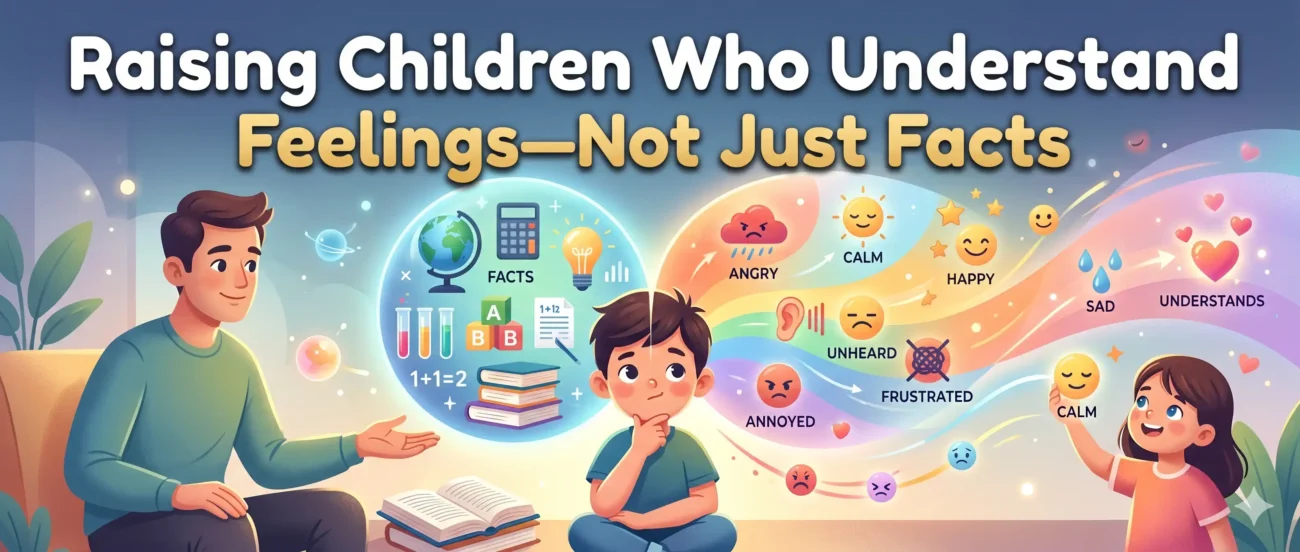
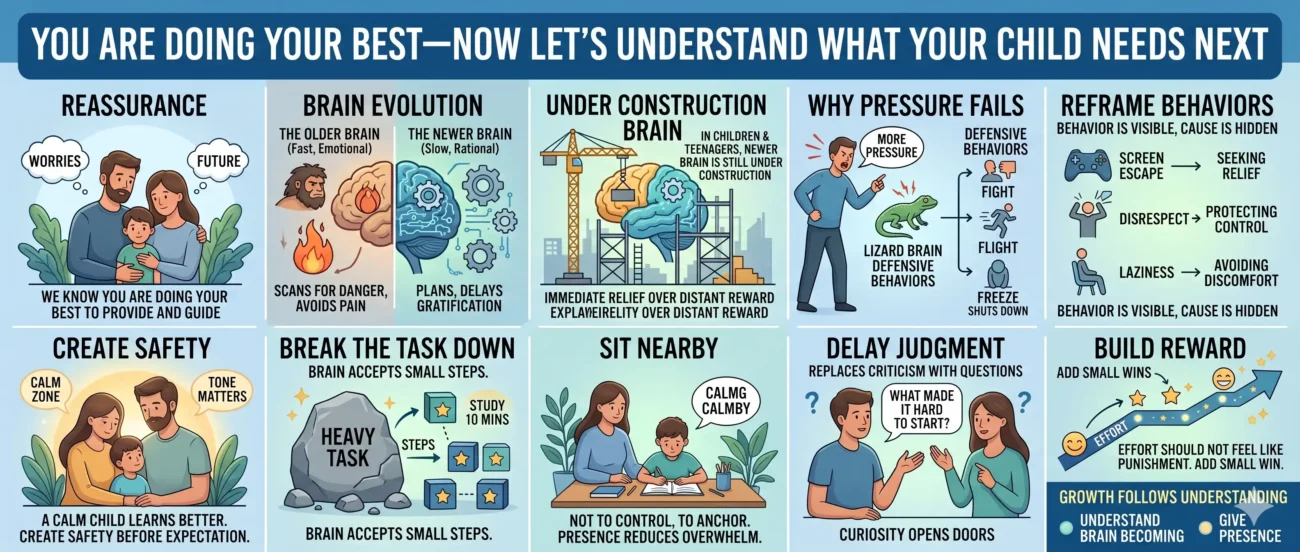
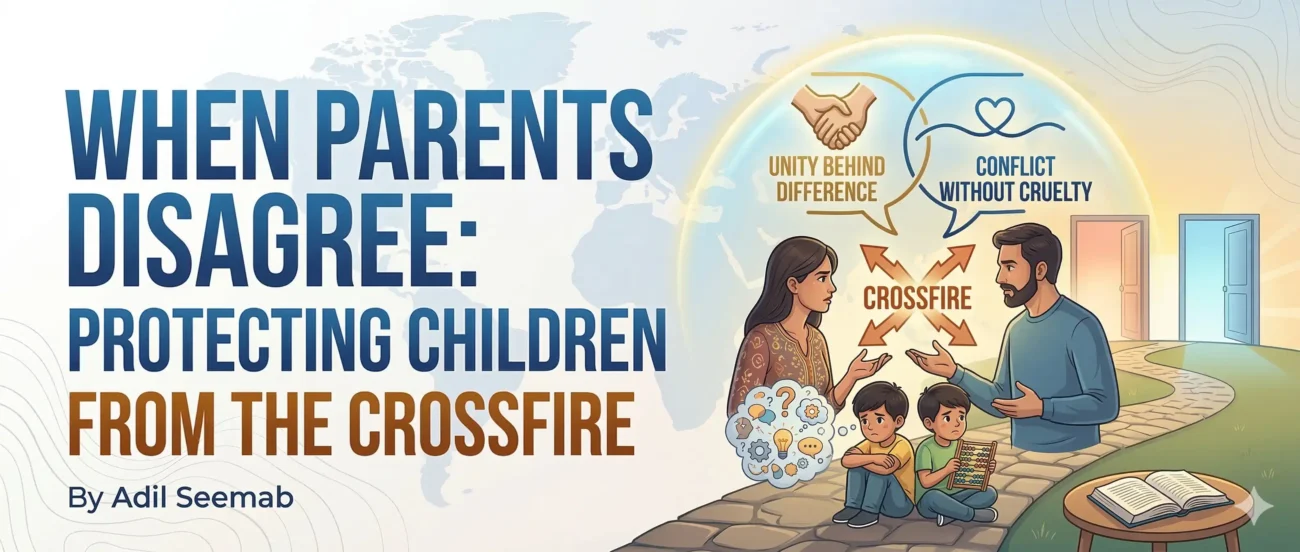


Parenting has become a big challenge these days. Everyone is in trouble, but slowly and gradually, kids may improve with parents’ proper understanding of the issue. Dr. Adil is doing a great job by writing on this important area.
The graphics are crisp and the gameplay is addictive. I love how easy it is to navigate the site. Give phokgameslogin a try, you won’t regret it.
Best place for big wins. I love how easy it is to navigate the site on my phone. Check out phjilibet888 if you want some real action.
I’ve been trying out a few sites lately and this one really stands out. The payouts are fast and the interface is super smooth. Definitely giving vnvipwinvin777vin777 a go for my nightly sessions!